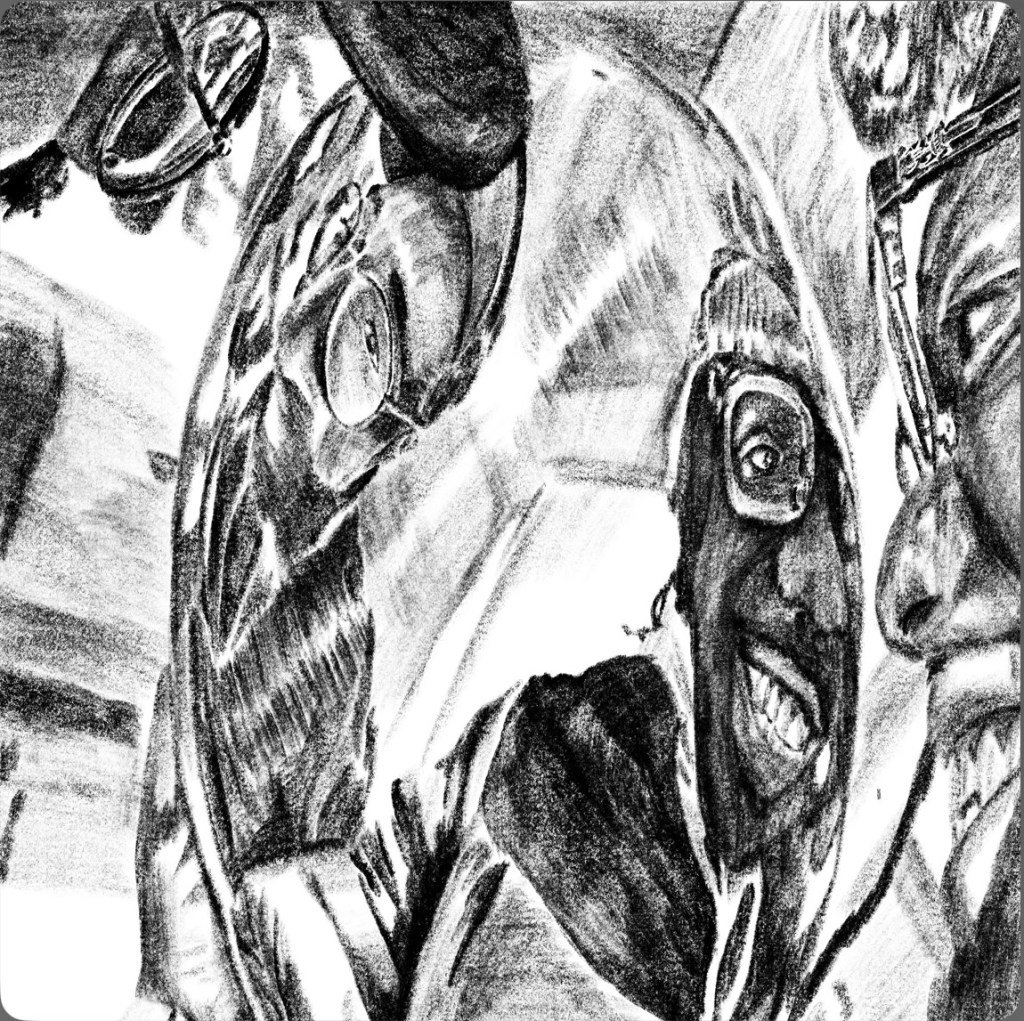
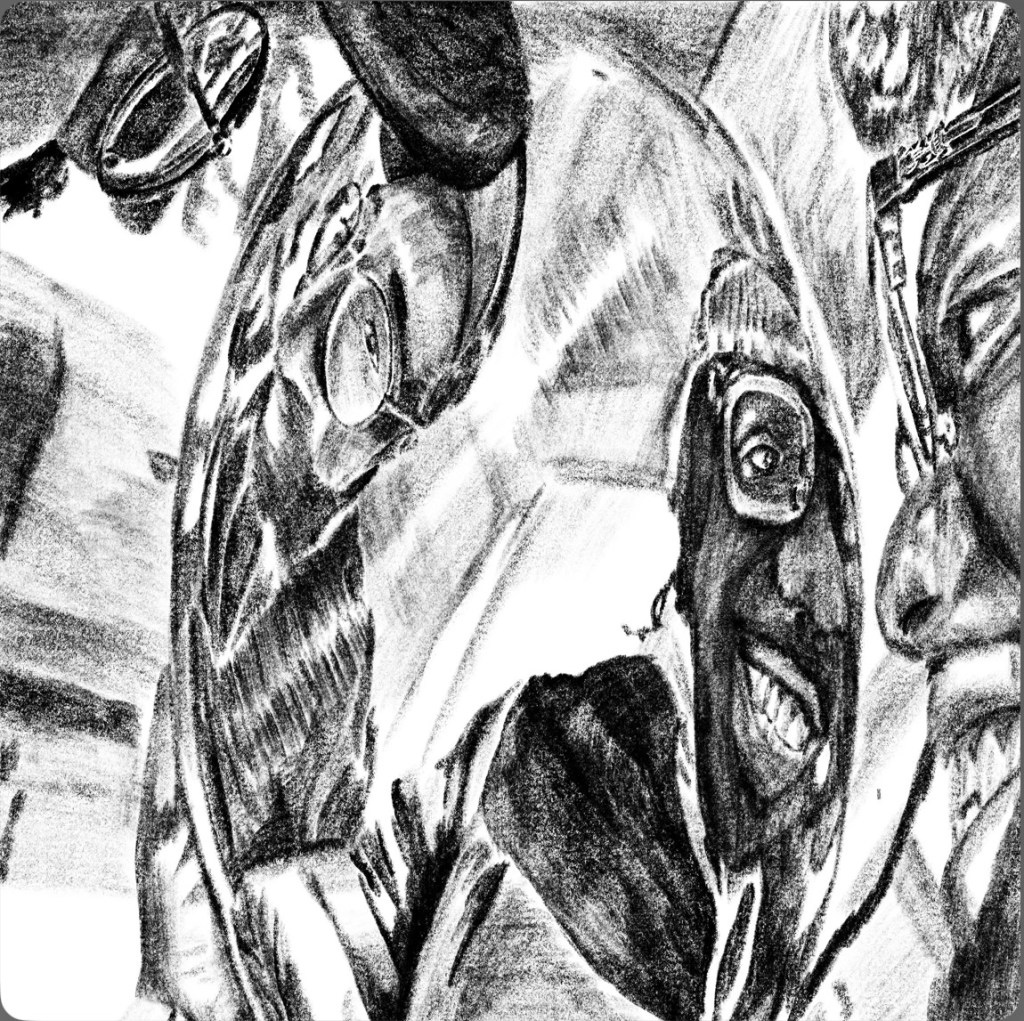
“Pinball II” by MIKE & Tony Seltzer is a raw, introspective journey through the modern hip-hop landscape. The album’s production is rooted in gritty, unpolished beats that feel deliberate in their imperfections, creating a sonic landscape that mirrors the complexities of life itself. MIKE’s delivery is often subdued yet assertive, reflecting a contemplative mindset rather than overt bravado. The album feels like a late-night walk through city streets, where each track unveils a different reflection of the artist’s psyche.
1. “Sin City”:
The tempo here is slow and unhurried, giving the impression of time dragging in a dense urban environment. The beat itself is haunting—minimalist but purposeful. MIKE’s lyrics are layered, blending personal struggle with observations about his surroundings. There’s a sense of melancholy paired with determination, like pushing forward despite the weight of the past. The subtle intensity in his voice complements the track’s meditative pace, evoking images of dimly lit streets and long nights spent in thought.
2. “WYC4”:
“WYC4” shifts gears with a slightly faster tempo, bringing in a sense of urgency and movement. The instrumental is built around a punchy rhythm, giving the track a forward momentum that contrasts with the more reflective songs on the album. Lyrically, MIKE channels resilience, using his smooth but firm delivery to assert his determination. The track feels like a declaration—a reminder that even when life tests you, there’s no room to fold. The production’s crisp percussion and sparse melodies reinforce the sense of pushing through adversity.
3. “Sucka-Free”:
This track strips back the complexity and goes for a straightforward, almost skeletal beat, making it feel more like a freestyle session. MIKE’s tone here is more candid and raw, with a looser flow that fits the minimalist production. There’s an unfiltered quality to his words, as if he’s processing his thoughts in real-time. The repetitive rhythm emphasizes the track’s theme of staying true to oneself, even when surrounded by superficiality. The brevity of the song works in its favor, leaving a punchy impact without overstaying its welcome.
4. “Jumanji” (feat. Earl Sweatshirt):
This collaboration is one of the album’s highlights, not just because of the chemistry between MIKE and Earl Sweatshirt but because of how naturally they complement each other’s introspective styles. The tempo is unorthodox, almost meandering, giving both rappers room to weave in and out of the instrumental. Earl’s verse feels like a spontaneous extension of MIKE’s own narrative, almost like they’re conversing rather than competing. The lyrics grapple with existential questions and self-identity, resonating with listeners who appreciate nuance over surface-level storytelling. The production itself is textured and slightly disjointed, echoing the track’s sense of disorientation and self-exploration.
“Pinball II” feels like a collection of memories, captured in real-time and presented without excessive polish. It’s this rawness that gives the album its strength—there’s no pretense, no forced catchiness. Instead, MIKE and Tony Seltzer craft a project that feels personal and introspective, inviting listeners into a world that’s both chaotic and contemplative. The album doesn’t aim to impress through technical prowess but rather through authenticity and atmosphere. This makes “Pinball II” more of an experience than just a playlist—an unfiltered glimpse into an artist’s mindset.
Check for MIKE on IG:@mikelikesrap
Check for Tony Seltzer on IG:@tony_seltzer
Follow us for more independent reviews, exclusive artist interviews, and raw music commentary that puts art over hype.Leave a LIKE, a COMMENT, and a SHARE for the artist!


 Beyond The Mainstreams
Leave a comment