
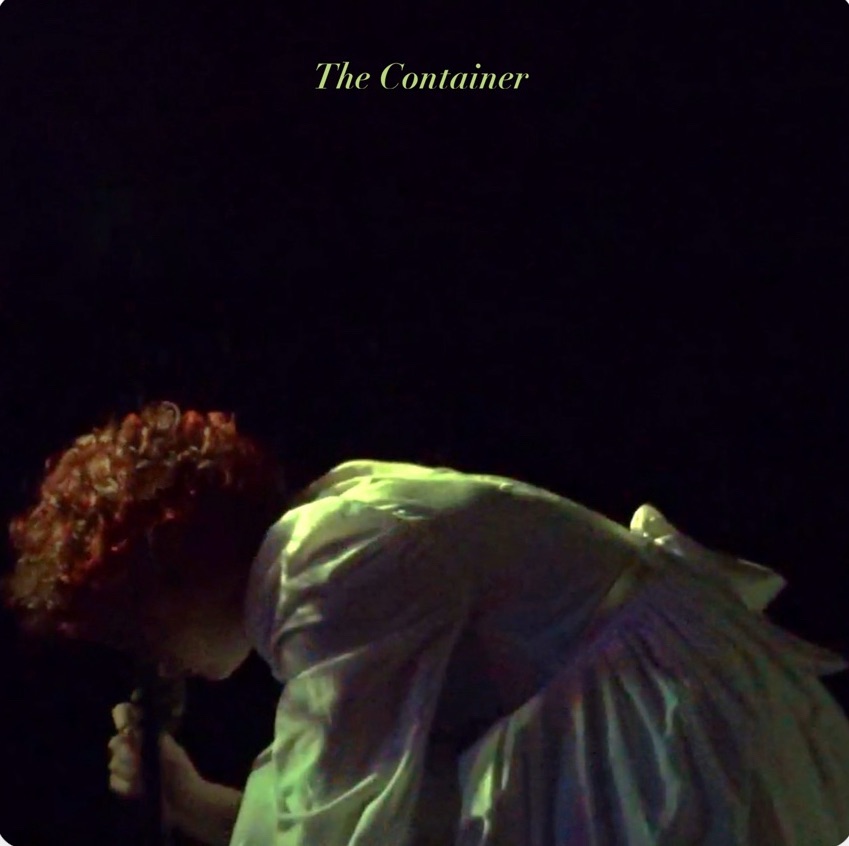
Phoebe Green’s latest EP, The Container, is a compelling journey through the intricacies of human emotion, delivered with a fresh indie-pop sensibility. Each track offers a unique exploration of tempo, atmosphere, and lyrical depth, showcasing Green’s evolution as an artist.
“Rage of a Kid”
This track doesn’t scream. It simmers. The tempo is slow but tight, coiled like a muscle that’s clenched for years. It’s not about the tantrum—it’s about the buildup, the quiet years of being dismissed, overlooked, muted.
Phoebe doesn’t perform rage in the traditional sense. She folds it into every pause, every breath, letting the stillness be the message. Sonically, it feels like walking through an empty playground at dusk—nostalgic but eerie, laced with frustration that has matured into something more complex than anger: resignation, maybe, or the eerie clarity that comes after the storm.
Lyrically, it’s a reclaiming. She’s not asking for permission to feel anymore. She’s remembering how big emotions used to be when no one took them seriously—and how that dismissal shapes adulthood in subtle but permanent ways. The song’s brilliance lies in its refusal to explode—it’s more dangerous because it doesn’t.
“What Are You Doing”
This track feels like a question you ask someone in a dream—where nothing is literal, and everything is symbolic. The tempo isn’t rushed, but there’s a nervous energy underneath, like pacing the room in your mind. The instrumental feels like it’s hiding something—sleek and glassy, yet emotionally evasive.
Phoebe’s voice here acts almost like a confrontation with one’s own denial. She doesn’t explode; instead, she lingers in a state of quiet implosion. The song isn’t about drama—it’s about micro-decisions, the way someone choosing not to respond can be louder than someone shouting.
Sonically, it lives in the tension between clarity and cloudiness, as if it’s suspended in that awkward pause after you say something vulnerable and wait to see if the other person will match your honesty. It’s not angry. It’s disappointed in a way that feels deeply personal.
“Precious Things”
This one plays like a glitter-covered breakdown. The production is bright and bouncy—intentionally misleading—almost like a kids’ TV jingle left to rot under emotional mildew. But lyrically, it’s a self-aware unraveling.
There’s an intentional contradiction between sound and substance. Green sings about giving too much of herself in a way that sounds cheerful, which only makes the truth sting harder. It’s like someone laughing mid-cry—not because they’re okay, but because that’s the only way to survive the moment.
The chorus feels like it’s trying to convince itself that it’s fine. But the undertone is one of loss: of boundaries, identity, and maybe even self-worth. This isn’t a love song—it’s a song about the performance of love, and the exhaustion of trying to become someone’s ideal without realizing you’ve disappeared in the process.
The genius of “Precious Things” is that it tricks you into dancing with your emotional baggage. And when the beat stops, you realize you’ve been carrying far more than you thought.
“I Could Try To Change”
This one feels like standing at the edge of a mirror—deciding whether or not to step through. The tempo moves like doubt: a steady, reflective beat that never fully settles into comfort. There’s a fogginess to the instrumentation that makes it feel like you’re walking in slow motion through your own thoughts.
Phoebe’s vocal delivery is cautious—never desperate, but aware of how delicate self-perception can be when you start questioning it. The lyrics don’t beg for transformation. Instead, they weigh the cost of it. It’s not about self-improvement—it’s about self-distortion.
The emotional arc of this song doesn’t resolve. And that’s what makes it powerful. It’s stuck in the very human space between guilt and growth—between knowing who you are and wondering if that’s the version someone else can love. You leave this track not with answers, but with the ache of having asked the right questions.
“IV”
“IV” feels like the softest touch on the heaviest bruise. It’s not just the slowest tempo on the EP—it’s the most fragile. The instrumental arrangement is sparse, almost skeletal, giving Phoebe’s voice the space to feel exposed, intimate, and ghostly.
This song isn’t structured like a traditional closer—it feels more like an open ending. There’s no triumph, no tidy emotional resolution. Instead, it sounds like someone sitting quietly with their truth for the first time—no edits, no armor.
The title “IV” hints at medical imagery, and the song mirrors that sense of emotional triage. It’s about needing something outside yourself to keep going, but also realizing how much pain you’ve internalized in silence. It’s the sound of slow healing, not yet complete, but acknowledged.
This is the EP’s most intimate offering, and it’s less of a song and more of a confessional. Not meant to move you—meant to stay with you.
Overall, The Container EP is a testament to Phoebe Green’s artistry, seamlessly blending varied tempos and vibes with introspective lyrics. It’s a collection that invites listeners to explore the depths of human emotion through a fresh indie-pop lens.
Check Phoebe Green on IG: @ph0ebegreen
Follow us for more independent reviews, exclusive artist interviews, and raw music commentary that puts art over hype. Leave a LIKE, a COMMENT, and a SHARE for the artist!

 Beyond The Mainstreams
Leave a comment