What is Web3?
The internet is evolving. From the early days of static web pages (Web1) to the rise of social media and centralized platforms (Web2), we are now entering a new digital era: Web3. This next phase of the internet is built on decentralization, blockchain technology, and user ownership, shifting power away from traditional gatekeepers and into the hands of creators and their communities.
For musicians, Web3 presents a groundbreaking opportunity to take control of their work, monetize their fan base more directly, and redefine how music is distributed and valued. But how exactly is this technology being used in the industry today?
———————————
How is Web3 Being Used and Its Importance in the Music Industry?
The music industry has long been dominated by intermediaries—record labels, streaming platforms, and publishing companies—who take a significant cut of an artist’s earnings. Web3 disrupts this model by enabling direct-to-fan engagement, digital ownership through NFTs, and smart contract-based royalties.
Key ways Web3 is reshaping music:
• NFT Music Releases – Artists are selling digital albums, exclusive content, and concert tickets as NFTs, allowing fans to own unique collectibles while providing musicians with direct revenue.
• Decentralized Streaming Platforms – Platforms like Audius and Tamago are offering alternatives to traditional streaming services, giving artists more control over their music and higher revenue shares.
• Blockchain-Based Royalties – Smart contracts ensure that artists, producers, and collaborators get paid instantly and fairly whenever a song is played, eliminating payment delays.
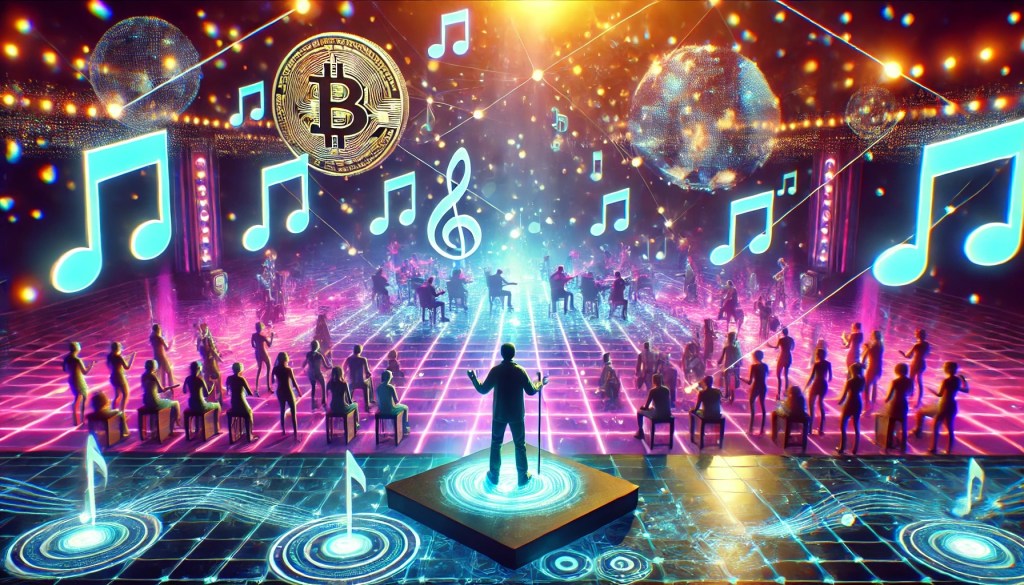
• Metaverse Concerts & Virtual Experiences – Web3 enables immersive virtual performances where artists can interact with global audiences and even sell virtual merchandise.
By leveraging these technologies, musicians are building sustainable careers without relying on major labels or centralized platforms. The result? A more artist-driven, transparent, and financially fair music industry.
——————————
Who Is Using Web3 in 2025?
The adoption of Web3 in the music industry continues to grow, with artists, bands, and executives using blockchain technology to push the boundaries of creativity, engagement, and monetization. Here are three key figures leading the way in 2025:
1. RAC (Electronic Artist & Web3 Pioneer)
RAC has been at the forefront of blockchain-powered music since the early days of Web3. In 2025, he continues to innovate by releasing exclusive tracks as NFTs, offering token-gated experiences, and using blockchain-powered royalties to ensure fair payments for collaborators. His community-driven approach has set the standard for independent musicians navigating Web3.
2. Latashá (Hip-Hop Artist & NFT Music Entrepreneur)
Latashá has successfully built an entire music career outside traditional industry structures by selling her music as NFTs, curating Web3 music experiences, and launching an artist incubator focused on blockchain empowerment. In 2025, she remains one of the most influential voices in NFT music, using decentralized platforms to maintain full ownership of her work.
3. 3LAU (DJ, Producer & Web3 Label Founder)
3LAU continues to redefine how music is distributed by expanding his blockchain-powered label, Royal, which allows fans to invest in songs and earn streaming royalties alongside artists. His platform has helped emerging artists monetize their fan bases while giving music listeners a stake in their favorite songs.
In conclusion, Web3 is not just a trend—it’s a paradigm shift in how music is created, owned, and monetized. As more artists embrace blockchain technology, the music industry is moving toward a future where creators have more autonomy, fans have a deeper connection with their favorite artists, and revenue flows more equitably.
For independent artists and forward-thinking executives, understanding and leveraging Web3 is no longer optional—it’s essential for staying ahead in the digital music revolution.
 Beyond The Mainstreams
Leave a comment